Hands of
Heritage
Preserving craft. Creating purpose.
A story of craft, memory, and the future we can build together.
THE VANISHING LINEAGE
When Culture Disappears,
Something Irreplaceable Vanishes.
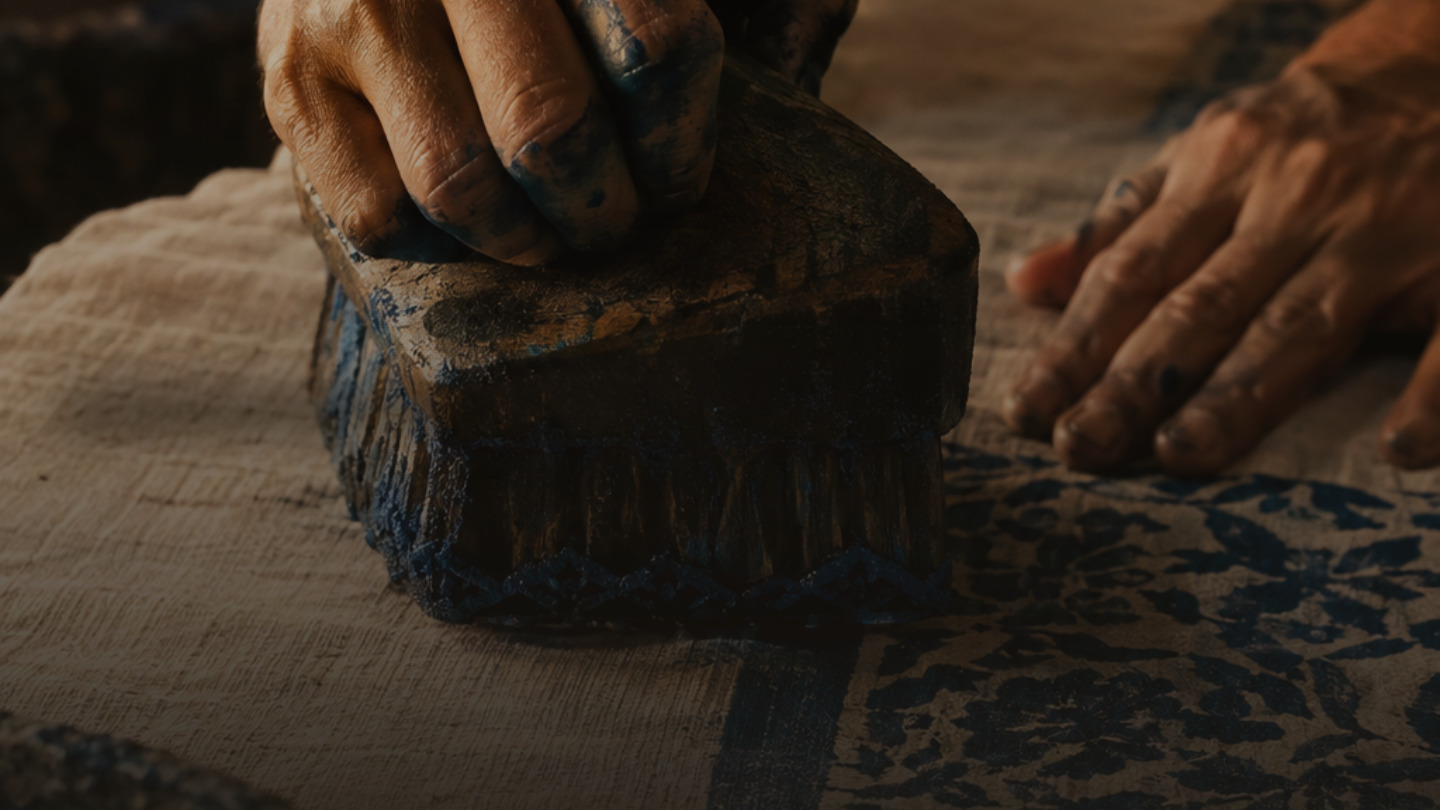
From pashmina looms in Kashmir to Damascene metal inlay, from Miao embroidery to Venetian lace — these traditions are disappearing. The master artisans who hold them are aging, often without income, students, or support. When they are gone, centuries of knowledge vanish with them.
A LIVING ATLAS
Different Hands.
Shared Future.
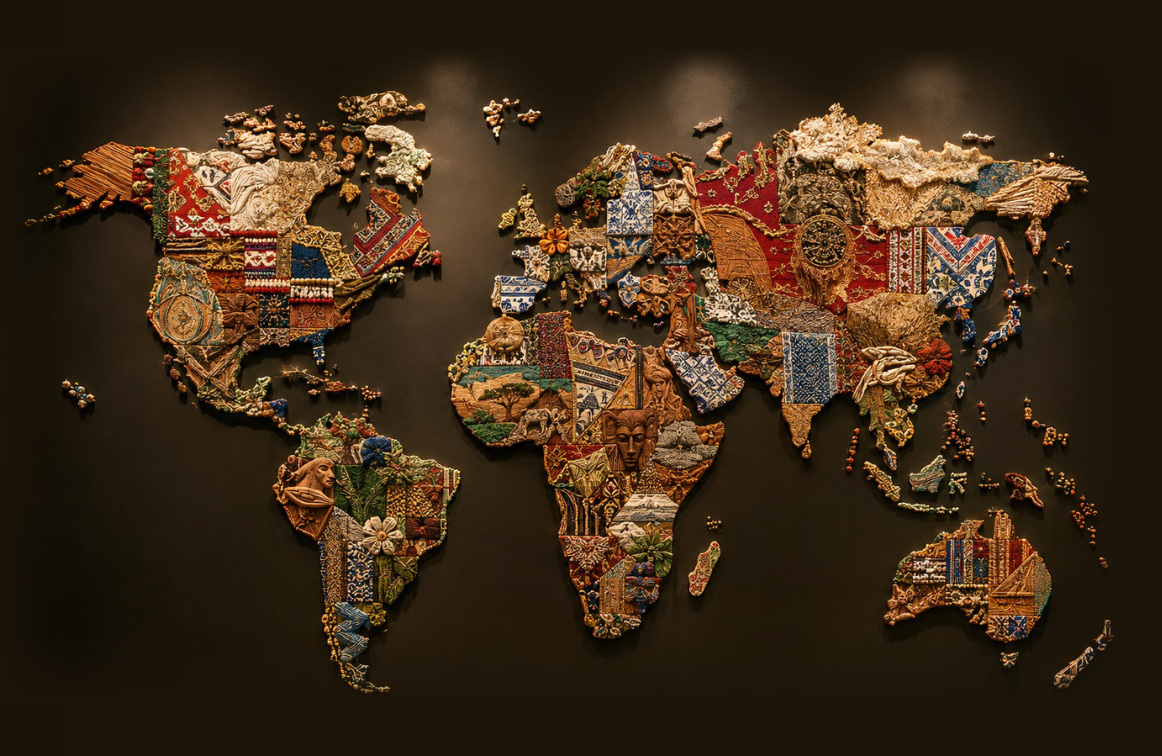
No tradition stands alone. Across the world, every place holds its own materials, techniques, symbols and makers. Together they form a living atlas of human creativity - different hands, different histories, one shared inheritance.
“A world disappears when no one is taught.”
THE CRAFTS AT RISK
- Weaving & textiles
- Wood carving & joinery
- Ceramics & pottery
- Metalwork & inlay
- Embroidery & needlework
- Natural dyeing
- Glass & basketry
- Stone carving
- Leatherwork
From pashmina looms to raku kilns, from zellige tiles to Kente cloth — each tradition represents centuries of knowledge held in human hands.
IN EVERY HAND
The Story
Begins Small.
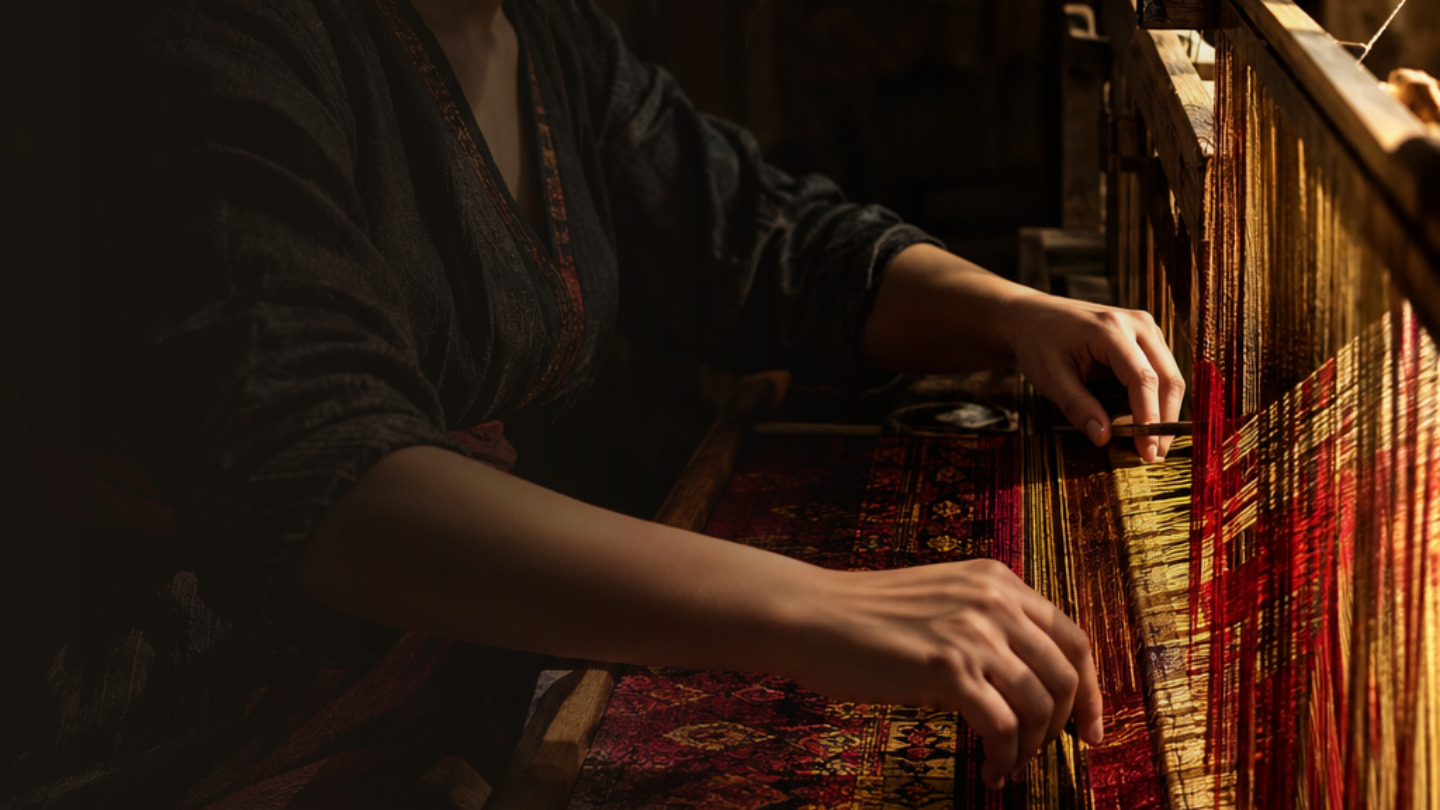
A handmade object is never only an object. It is memory made visible: the rhythm of a loom, the patience of clay, the mark of a carving tool, the wisdom of a material understood over generations. When that knowledge passes from one person to another, craft becomes more than preservation. It becomes identity, confidence, livelihood and belonging.
“What we keep alive in the hand, we keep alive in the world.”
THE PARTNERSHIP
One Master.
One Apprentice.
One Future.
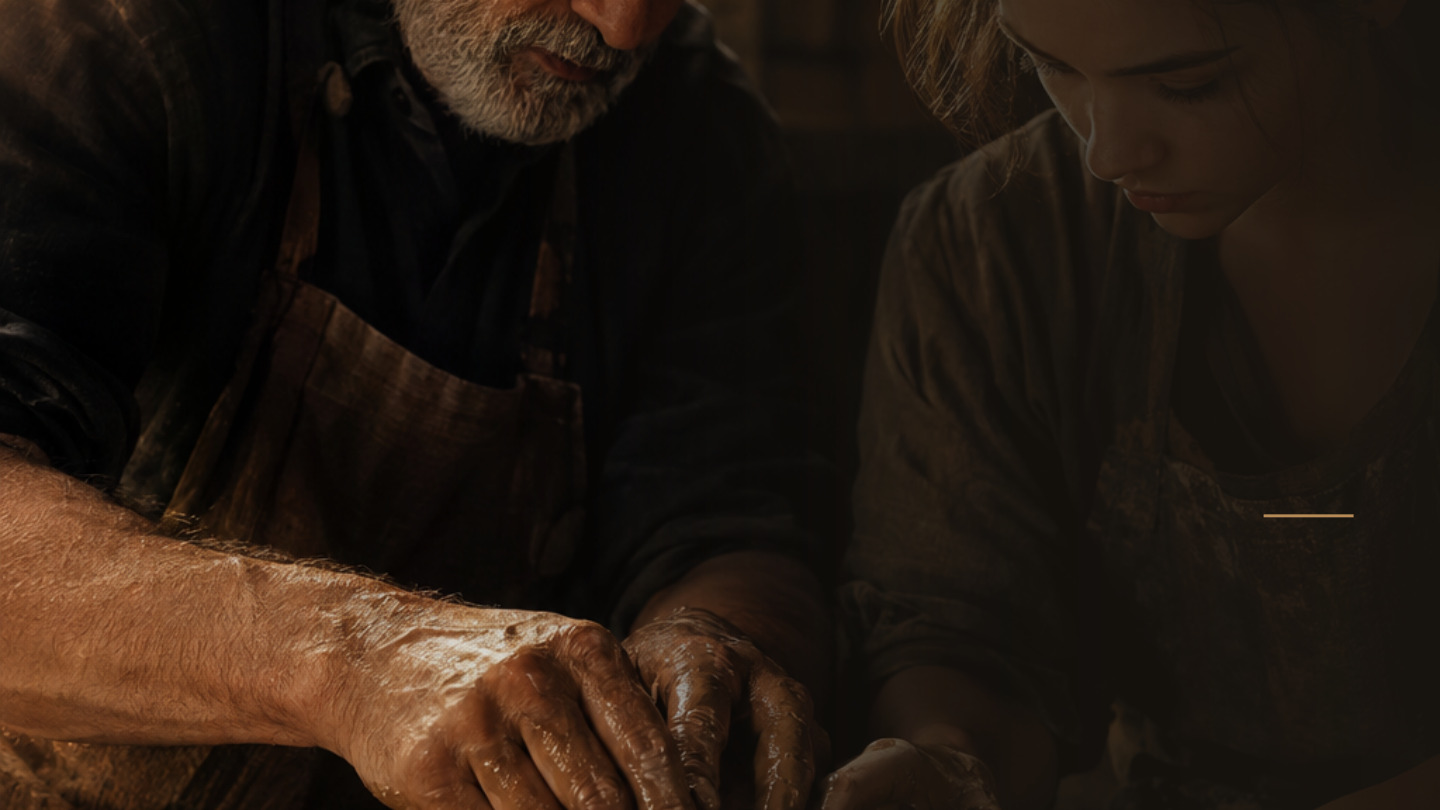
Hands of Heritage begins wherever a craft is in danger of disappearing. We seek out the master artisans who still hold that knowledge and create a path for it to be passed forward. A master is supported to teach. An apprentice learns, earns and contributes. Together they document the technique, create new work and give the tradition a future.
- MASTER ARTISAN
- APPRENTICE
- DESIGN
- DOCUMENTATION
- MARKET
THE ATELIER — GHANA
Woven Words
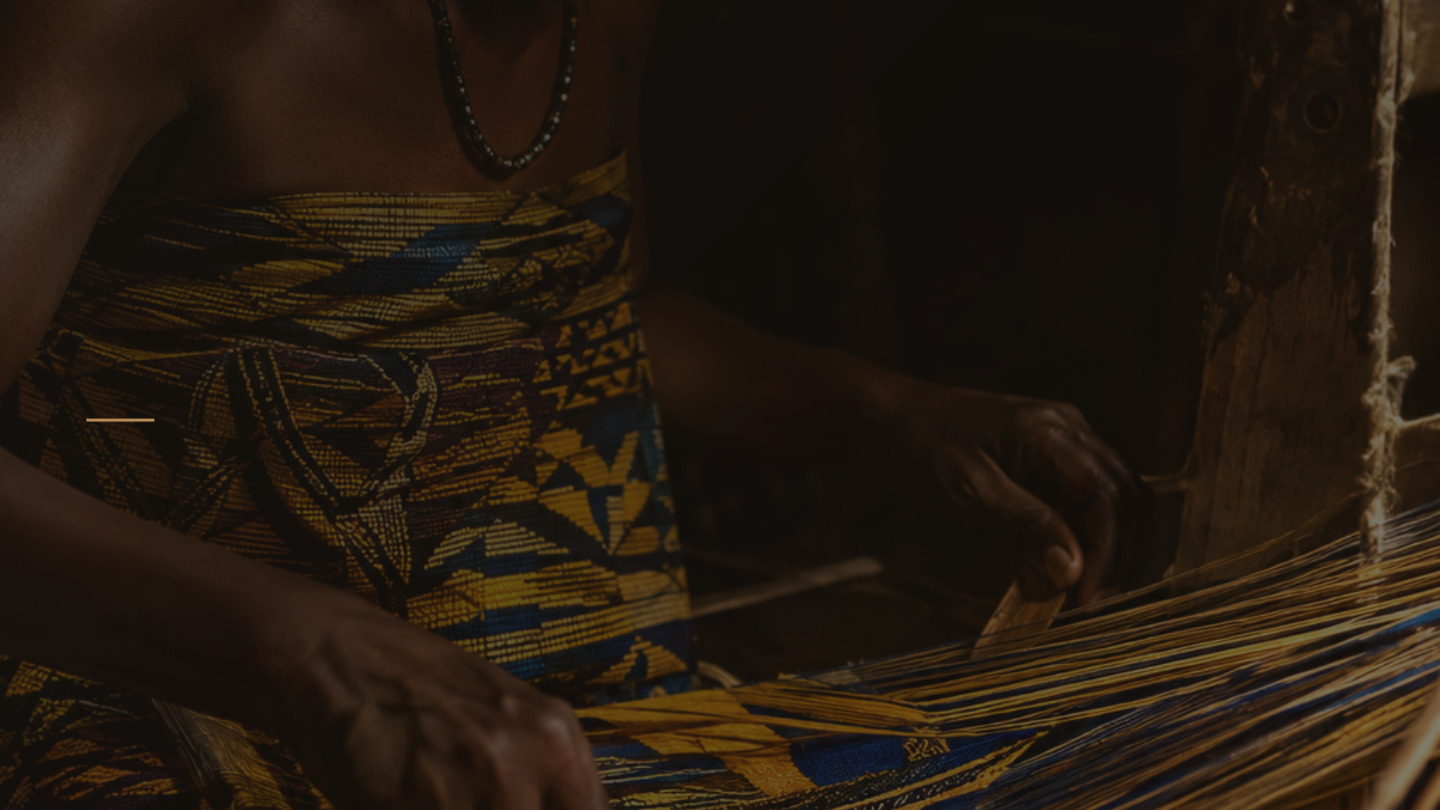
In Ghana, cloth can speak. Kente is woven by hand in narrow strips on a wooden loom, then sewn together into something larger than any single thread. Every pattern has a name, and many carry a proverb or a piece of history, woven into the cloth. In weaving towns like Bonwire, the craft has passed from master to apprentice for generations. But fewer young people are sitting down at the loom. Hands of Heritage seeks to bring a new generation back to the loom, beside the masters who still remember every pattern and what it means.
“A pattern is a proverb you can wear.”
THE PRECEDENT — UNITED STATES
Learning by Doing
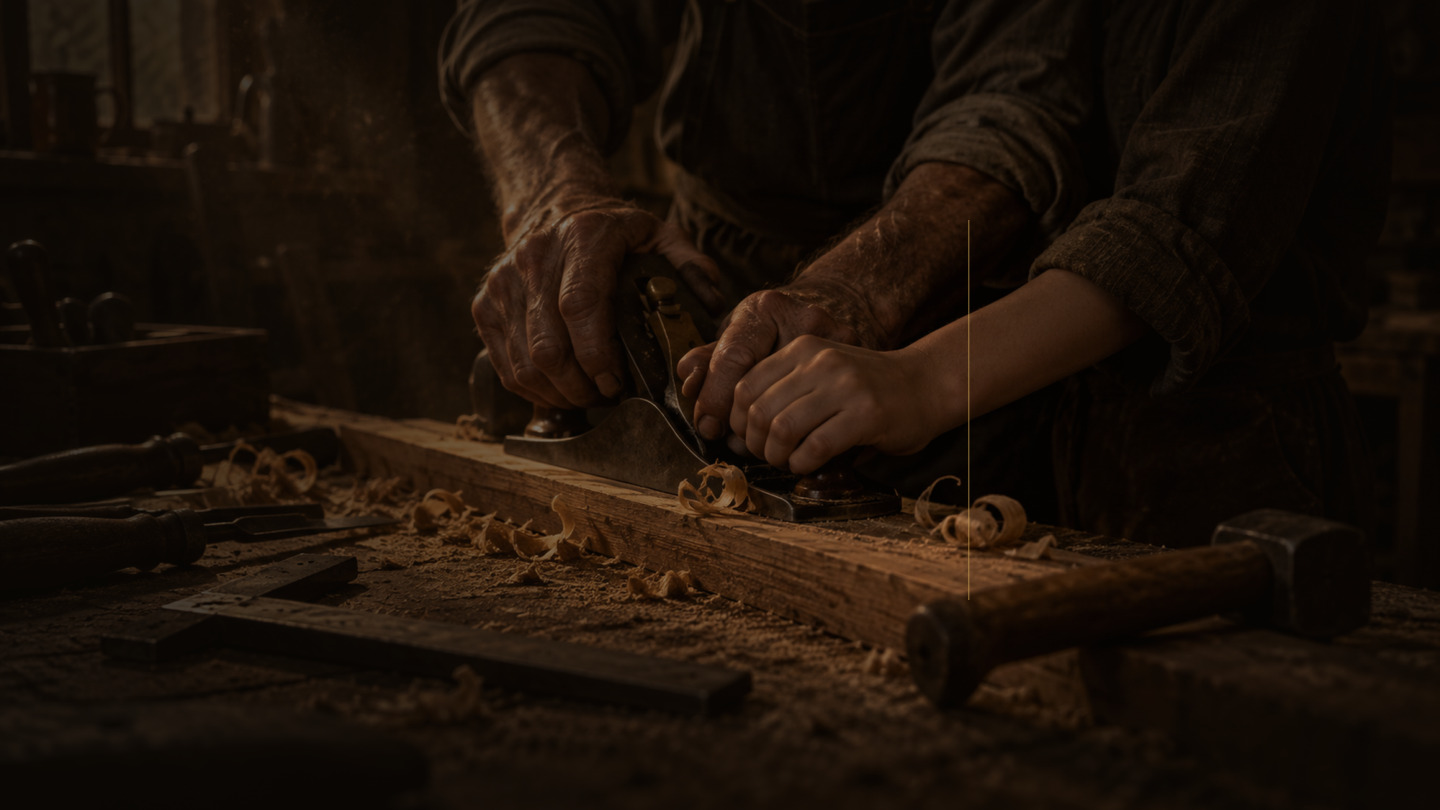
There is precedent for what happens when practical learning, mentorship and cultural documentation come together. Trade programs such as BOCES and Job Corps proved that paid, hands-on training can give young people income, confidence and direction. Beginning in 1966, Foxfire students in the mountains of Georgia recorded the crafts of Appalachian elders, from woodworking to quilting, and their books became national bestsellers. Today, state folk arts programs across America continue to pair masters with paid apprentices. Hands of Heritage brings these lessons together.
BOCES
Hands-on vocational learning
JOB CORPS
Trades for young people nationwide
FOXFIRE
Students record Appalachian crafts
MENTORSHIP
Teaching at the bench, the loom, the kiln.
RESPONSIBILITY
Wages, ownership, discipline.
ENTERPRISE
Objects enter real markets.
COMMUNITY
Belonging, identity, purpose.
HOW THE STORY CONTINUES
From Preservation
to Possibility
The framework is simple: find what is vanishing, then give it a future.
01 — SEEK
Identify endangered crafts and the people who still hold them.
02 — PARTNER
03 — TEACH
Create paid apprenticeships with practical support.
04 — MAKE
Turn knowledge into objects, collections, collaborations.
05 — SHARE
Document, exhibit, and tell stories with dignity.
06 — SUSTAIN
Build markets, archives, and livelihoods that last.
DIGITAL BY DESIGN
Techniques archived online. Apprentice work sold through digital marketplaces. Digital skills alongside hand skills.
“Not charity. Transmission.”
FROM HERITAGE TO DESIGN — MOROCCO
Not Frozen.
Forward.
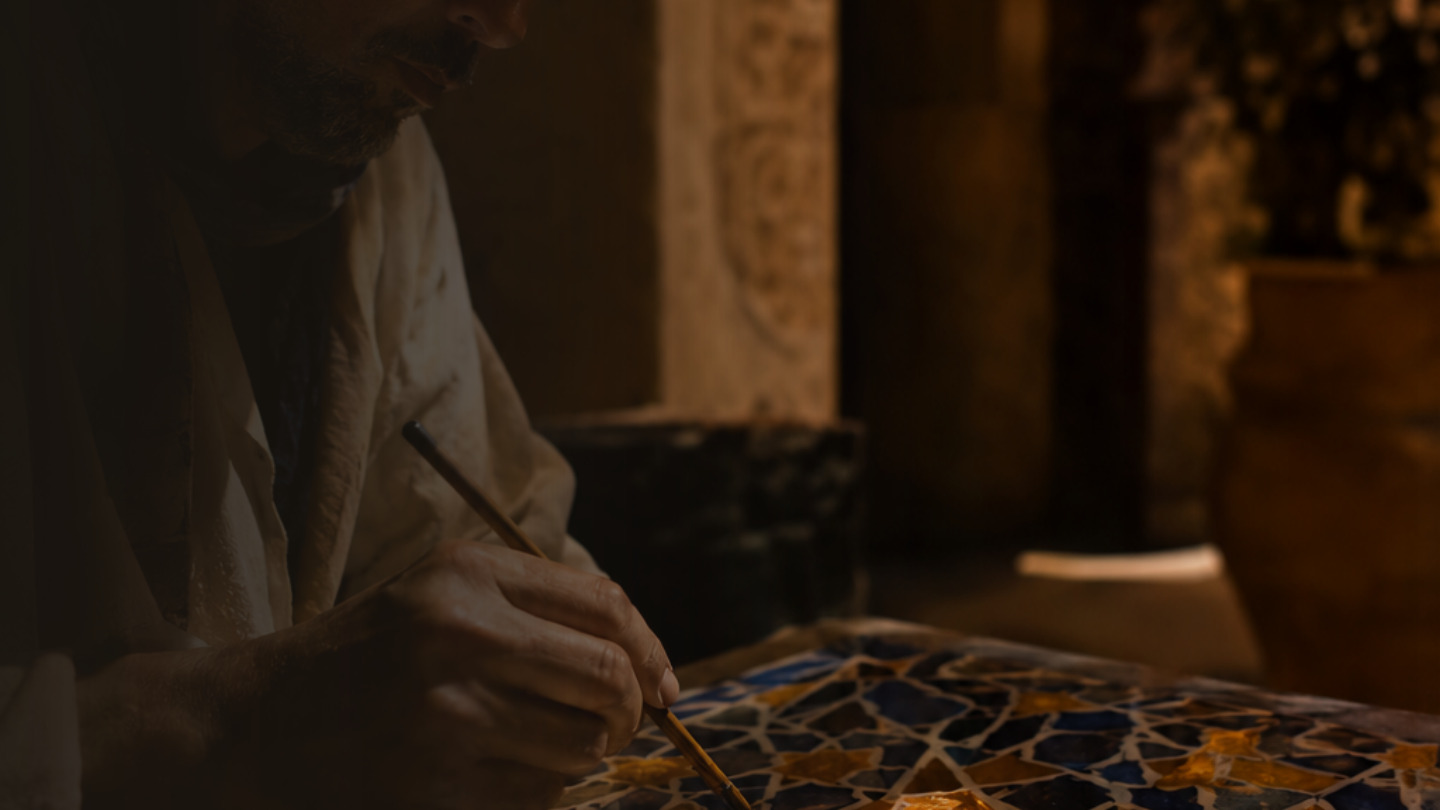
The goal is not to preserve tradition by freezing it in the past. The goal is to let it travel forward - into interiors, textiles, lighting, objects, fashion, exhibitions and contemporary life. When designers work respectfully with artisans, heritage does not become smaller. It becomes newly visible.
- INTERIORS
- TEXTILES
- LIGHTING
- OBJECTS
- FASHION
THE PHILOSOPHY
Why Craft
Matters
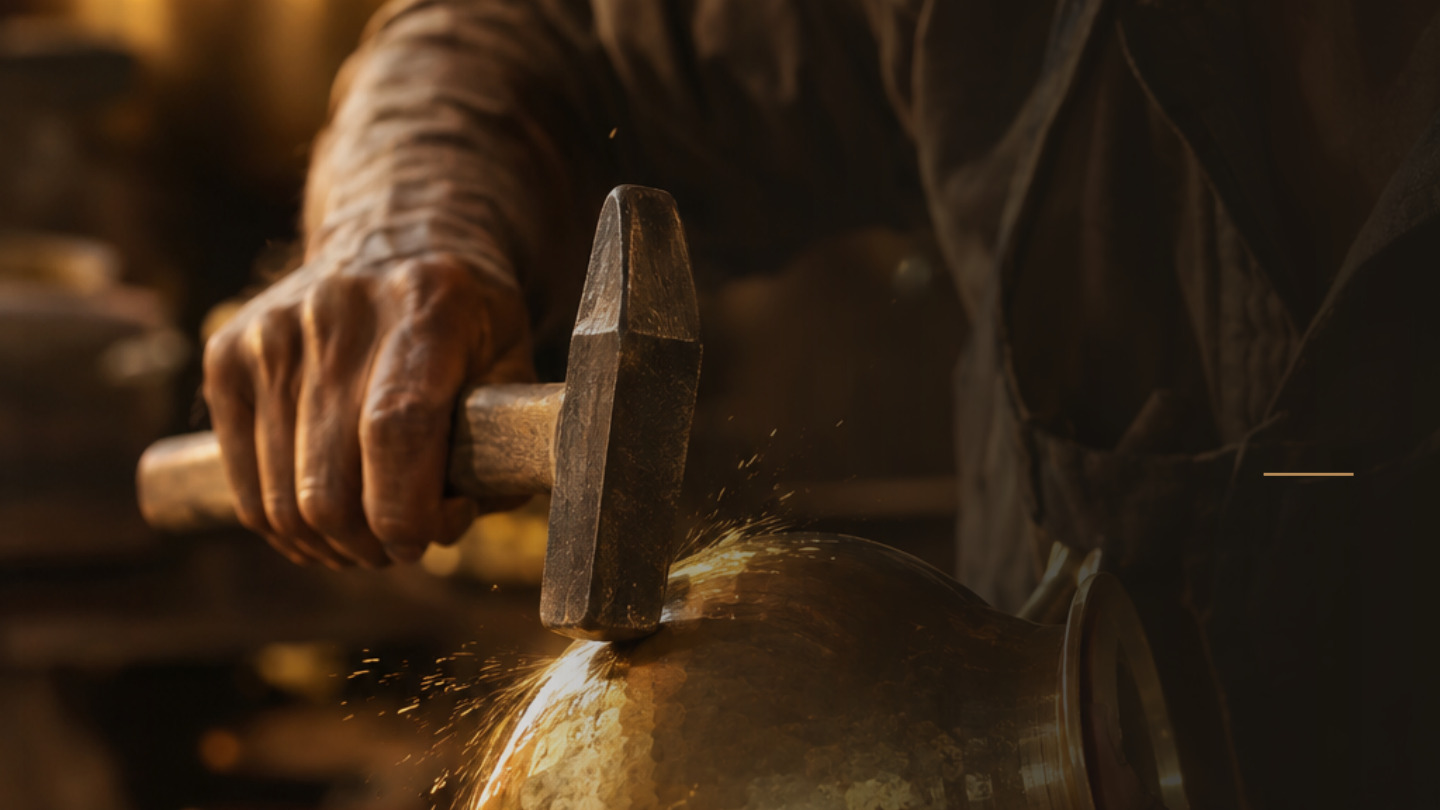
In every carved detail, woven thread and fired surface lives a story of place, people and what endures. Craft teaches patience, dignity and the discipline of making something well - values technology can assist, but never replace.
“Craft keeps human possibility in the world.”
A KOYA INITIATIVE
Hands of
Heritage
If we invest in traditional skills, we safeguard knowledge that cannot be recreated once it disappears. We create livelihoods, preserve cultural identity and give exceptional craftsmanship a place in contemporary life. What is preserved in the hand can still shape the future.
“Our world cannot survive without craftsmanship.”
Preserving craft. Creating purpose.